


 CN


In the first half of 2026, multiple UV inkjet insulation printing production lines have successively been deployed at leading lithium battery companies and achieved stable mass production, realizing the replacement of the traditional PET blue film wrapping process. This marks that the technological iteration of battery cell insulation from blue film to UV digital inkjet film formation has moved from small-batch trials by automakers into the stage of large-scale adoption.
According to institutional estimates, the domestic market size of battery pack insulation materials is expected to reach RMB 37.5 billion in 2026, up 25% year on year. With the rapid volume growth of 800V high-voltage fast-charging vehicle models and the widespread adoption of CTP/CTC integrated battery structures, the voltage withstand threshold for battery cell insulation has risen to 3,000–4,000 V, and traditional film-lamination solutions can no longer easily meet the safety standards of next-generation power batteries.
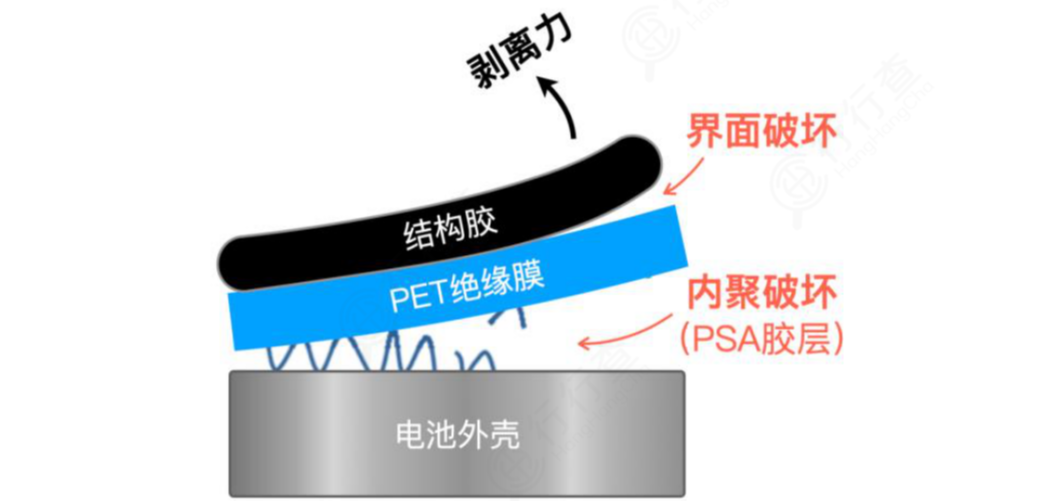
PET blue film relies on a substrate combined with pressure-sensitive adhesive and has long been the mainstream solution for battery cell insulation protection, but its shortcomings become prominent in high-voltage scenarios: its upper voltage-withstand limit cannot match 3,000–4,000 V operating conditions; stress changes during battery cell charging and discharging can easily cause film wrinkling, bulging, adhesive failure, and voiding, bringing leakage risks; meanwhile, tape wrapping occupies space and restricts battery lightweighting. Coupled with the "zero thermal runaway" requirements of national standard GB38031-2025 and VOC emission control under EU battery regulations, the performance bottleneck of the blue film process is becoming increasingly prominent. Digital UV inkjet printing has become a mainstream direction for upgrading lithium battery insulation processes.
In this round of process transformation, UV inkjet printing, with the advantage of digital on-demand film formation, has become the preferred solution for complex high-precision scenarios such as battery cell end faces, R corners, electrode sheets, and energy-collecting rings. Unlike large-area spraying processes, inkjet printing requires no fixture masking and performs targeted on-demand ink deposition; coating thickness is stably controlled within ±10 μm, and material utilization can reach over 98%. It effectively solves mass-production pain points such as uneven coating on complex curved surfaces, edge overflow, and interlayer misalignment, while meeting multiple needs including high-voltage insulation, lightweighting, and low-VOC environmental protection.
Facing diverse battery cell structures and stringent mass-production requirements of lithium battery production lines, Hosonsoft uses self-developed boards, print control systems, CCD vision positioning, and core supporting components (ink delivery system, UV lamps) as its core foundation, connecting the full chain of "algorithm-hardware-vision-ink-process" and covering multiple battery cell application scenarios such as prismatic, cylindrical, electrode sheets, and energy-collecting rings. It balances precision, yield, and capacity, achieving controllable lifecycle costs. At the same time, it opens SDK secondary development interfaces; its self-developed boards have obtained EU CE certification, meeting compliance delivery requirements for overseas projects.
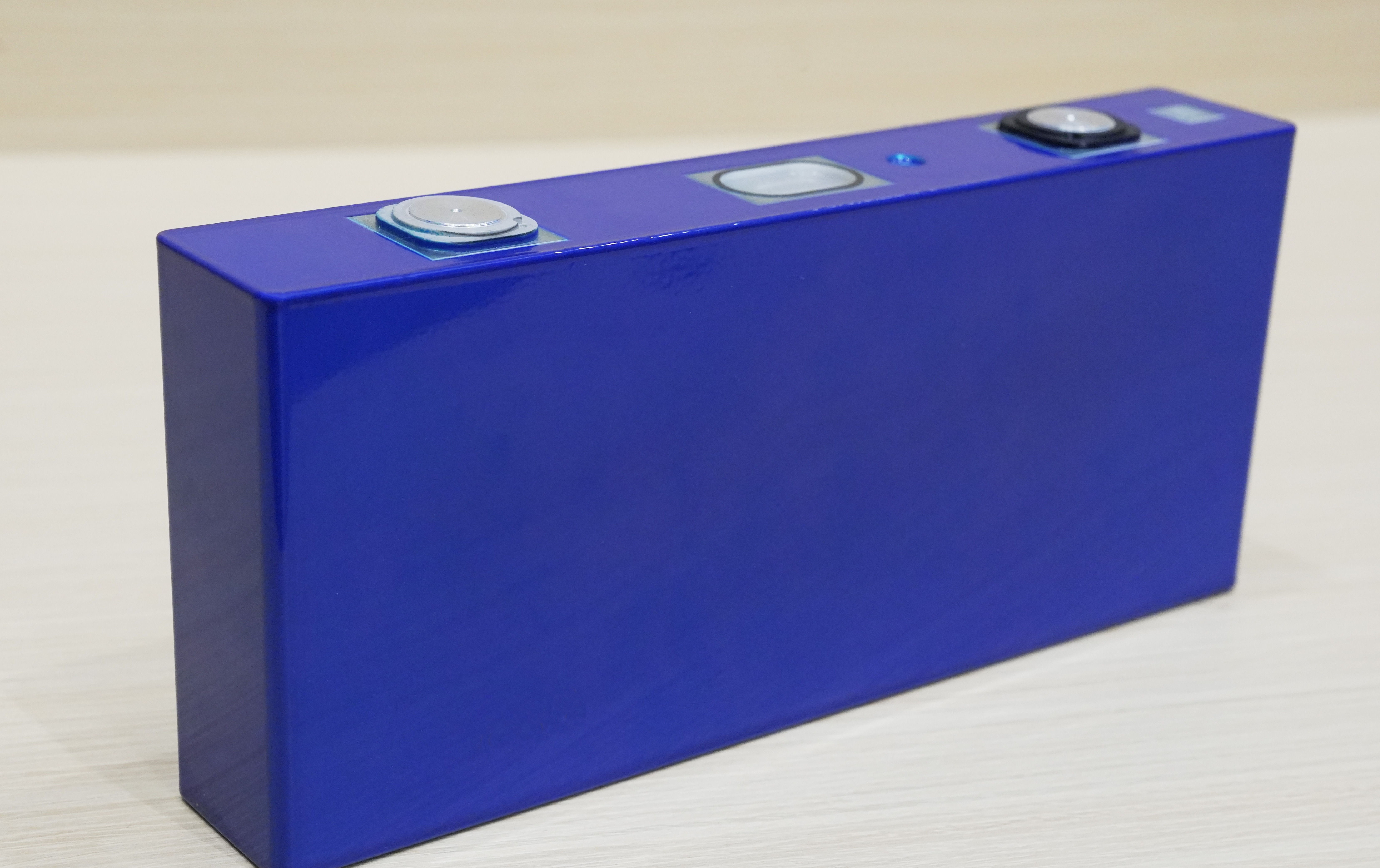
I. Inkjet Solution for Prismatic Battery Shells
[Vision - Algorithm - Hardware] — A Trinity Intelligent Manufacturing Closed Loop
Solution configuration: CCD vision positioning + RIP + printing software + boards + 10-gigabit network architecture
Solution features:
- Intelligent visual contour modeling: uses CCD vision positioning to generate BMP images based on contours and R-corner contours, solving the phenomenon of positioning coating offset
- R-corner adaptive algorithm: self-developed compensation algorithm dynamically adjusts ink droplet ejection angle and stacking density, solving the problems of microcracks and uneven thickness that easily occur in curved-surface coatings
- Board-level data optimization: contour vector filling; through localized processing of graphic data, it ensures zero-delay continuous printing on large-size battery production lines
II. Inkjet Solution for Battery Electrode Sheet Insulation
Millimeter-Level Positioning · Micron-Level Stacking — Electrode Sheet Intelligent Manufacturing Closed Loop
Solution configuration: CCD vision positioning + RIP + printing software + boards + 10-gigabit network architecture
Solution features:
- Dynamic visual positioning: high-precision CCD captures the electrode sheet contour in real time, automatically generates BMP images, and supports intelligent masking to prevent the insulation layer from contaminating the active area of tabs
- Multimodal printing: based on the singlePass printing mechanism, it develops forward/reverse and reciprocating printing solutions according to actual applications, balancing precision and efficiency
- Dynamic ink control: self-developed waveform algorithm adjusts the dot shape and ink cutoff of the printing waveform in real time, ensuring error is controlled within 10 μm and solving the partial discharge risk caused by multi-layer thickness errors on electrode sheets
- Intelligent white-edge correction: supports forward back-and-forth scanning printing; the vision system detects the white-edge position in real time and triggers dynamic offset compensation
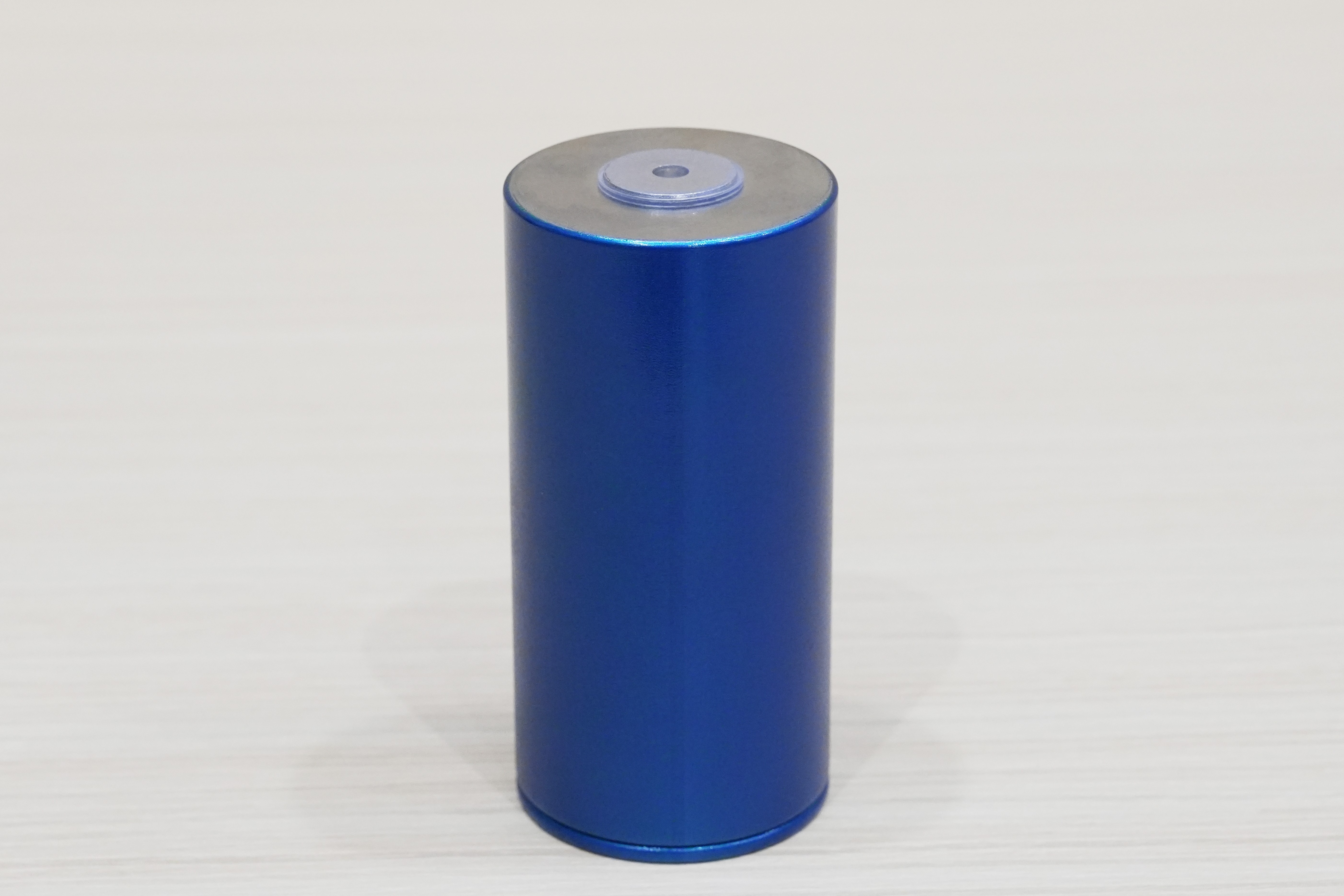
III. Printing Solution for Cylindrical Batteries
360-Degree Seamless Inkjet Printing — Cylindrical Battery Intelligent Manufacturing
Solution configuration: RIP + printing system + boards + 10-gigabit network architecture
Solution features:
- Spiral curved-surface intelligent control printing: self-developed dynamic trajectory algorithm achieves 360° seamless printing, solving the problem of uneven coating thickness on cylindrical batteries caused by curvature
- Independent closed-loop inkjet printing: one printhead is dedicated to printing one battery, eliminating crosstalk while intelligently calibrating ink droplet landing points
IV. Inkjet Solution for Cylindrical Energy-Collecting Rings
Microsecond Synchronization · Zero-Displacement Stacking — Energy-Collecting Ring Intelligent Manufacturing
Solution configuration: CCD vision positioning + RIP + boards + 10-gigabit network architecture + printer
Solution features:
- Intelligent visual positioning: a 3D line-scan camera photographs and positions the topological contour of the energy-collecting ring, automatically generates BMP images, and avoids non-printing areas such as welding bumps
- Multi-pass cumulative printing: SinglePass printing with a multi-pass mode; self-developed algorithms achieve real-time error compensation and, combined with position accumulation triggering, avoid interlayer misalignment caused by cumulative errors in multi-pass printing
- Precise optical-mechanical-electrical coordination: a combination of photoelectric encoder + boards eliminates edge ghosting and satellite droplets
Core Advantages of Hosonsoft Solution
- Full battery cell form coverage: one solution covers four major application scenarios: prismatic shells, electrode sheet insulation, cylindrical battery cells, and energy-collecting rings
- Compatibility with multiple printhead models: supports mainstream industrial piezoelectric printheads such as Xaar and Seiko, matching different precision and capacity requirements on demand
- Self-developed RIP core algorithms: built-in algorithms such as R-corner adaptive compensation, spiral trajectory control, multi-pass error compensation, nozzle-out compensation, and white-edge correction; they overcome mass-production pain points such as uneven curved-surface coating and interlayer misalignment, achieving 360° seamless coating of cylindrical batteries
- Integrated-board 10-gigabit network cluster architecture: local graphic computing power on boards, graphic data processed nearby, reducing transmission volume by 90%; a single host drives multiple stations for synchronized printing, greatly reducing production line hardware investment
- Precise layered thickness control: integrates a self-developed platform; coating thickness is adjustable and visualized in real time, with full process traceability
- Ink collaboration + process validation: can cooperate with ink manufacturers to complete insulation ink adaptation and debugging, support joint debugging and validation of battery safety indicators such as voltage withstand, partial discharge, and aging, and ensure stable and reliable coating insulation performance
- Standardized secondary development interfaces: the SDK is simple and easy to use, supports rapid OEM integration, and can provide development kits and customized system engineering delivery services
- Industrial-grade stable mass production capability: self-developed boards have obtained EU CE certification, meeting compliance delivery requirements for overseas projects
UV insulation inkjet printing has advantages such as high adhesion, solvent-free zero VOC, and flexible digital manufacturing. It is becoming a new-generation "core" protective umbrella for 800V high-voltage fast-charging batteries, replacing traditional blue film solutions and providing a new path for lightweighting and high-safety upgrading of power batteries.
Follow us to learn more about Hosonsoft comprehensive industrial inkjet printing solutions
 Back


